Affiliate - Ad | |
 | Get one of the best website hosts on the internet for a great price. Earn 20% discount by using the link. |
 | |
The TRUTH about heart disease. Dr Philip Ovadia and Mike Rowe. The PODCAST interview. This is very eye opening for anyone who wants optimal heart health. | |
THE WAR ON HEART DISEASE - THE BATTLE RAGES ON

Dr Philip Ovadia speaks with Mike Rowe and tells us how we really fight heart disease with our own simple actions. We can get away from the anti-cholesterol medicine so many Drs prescribe and by eating healthier - it's so much more doable than we may think. It's the way to a better - higher quality of life.
Eat More Meat | Dr. Philip Ovadia #496 | The Way I Heard It
In this podcast, Mike Rowe asks all the right questions. Dr Philip Ovadia explains how what heart Doctors have been telling us all along is wrong. He walks the walk and has lost 100lbs himself. Listen to Dr Ovadia explain how heart disease is STILL the number one killer of Americans over Cancer, Accidents and Stroke.
Top 4 Causes of Death
According to data from the Centers for Disease Control and Prevention (CDC), the top four leading killers in the United States by total annual fatalities are:
• Heart disease: 683,491 deaths per year, making it the single largest killer nationwide.
• Cancer: 619,876 deaths annually, accounting for roughly one in every four deaths.
• Accidents (unintentional injuries): 197,449 deaths, which include vehicle crashes, accidental poisonings, and falls.
• Stroke (cerebrovascular diseases): 166,852 deaths per year.
According to Dr Ovadia, the most important tests someone can get to check their heart health is to check for insulin resistance. This is important for the prevention of diabetes.
Insulin Resistance Test
https://ownyourlabs.com/
Look for the insulin test
https://ownyourlabs.com/test/e4fcb39f-11e4-4575-a0a0-c9344894d14e?back=%2Fshop
CAC
A coronary artery calcium (CAC) test is a quick, noninvasive heart scan that uses a computed tomography (CT) scan to measure calcified plaque buildup in the arteries that supply blood to the heart.
What the Test Shows
• Calcium Score: The scan produces a numerical score (often called an Agatston score) that reflects the total amount and density of calcium deposits in your coronary arteries.
• 0 Score: Means no detectable calcified plaque, suggesting a low short-term risk of a heart attack.
• 1–100 Score: Indicates mild plaque and early signs of coronary artery disease.
• 100–300 Score: Shows moderate plaque buildup and a higher risk of a cardiovascular event over the next few years.
• Above 300 Score: Signifies extensive plaque and a high risk of heart disease or heart attacks.
Why It Is Done
• Risk Assessment: It helps doctors evaluate your future risk of heart disease or a heart attack, especially if your intermediate risk level is uncertain.
• Treatment Decisions: It helps guide practical choices about whether to start preventive medications like statins or focus strictly on lifestyle changes.
What to Expect During the Scan
• Quick Procedure: The imaging takes about 10 to 15 minutes.
• No Dyes or Needles: It requires no contrast dye or intravenous (IV) lines.
• Low Radiation: It uses a low dose of X-ray radiation.
• Who It Is For: It is typically recommended for asymptomatic individuals at intermediate risk (such as men over 40 or women over 45 with risk factors like high cholesterol or high blood pressure), rather than people who already have known heart disease or active symptoms like chest pain.
The last test Dr Ovadia recommends is C-Reactive Protein, Cardiac, which checks for inflammation.
https://ownyourlabs.com/test/9c04444f-bbd1-484c-837c-f951980b03d3?back=%2Fshop
A C-reactive protein (CRP) test is a blood test that measures the level of C-reactive protein to detect general inflammation in your body.
What the Test Measures
• The Protein: Your liver makes C-reactive protein and releases it into your bloodstream when tissues are injured or inflamed.
• The Speed: Levels rise quickly (within hours or days) when an infection or severe injury happens.
• The Limit: The test shows how much inflammation is present, but it cannot tell you where the inflammation is located or what is causing it.
Why Doctors Use It
• To Find Infections: It helps spot bacterial or fungal infections.
• To Monitor Diseases: It tracks chronic conditions like rheumatoid arthritis, lupus, or inflammatory bowel disease (IBD).
• To Check Healing: Doctors use it to see if a surgical wound is healing well or if an infection has started after an operation.
• To Check Heart Risk: A special type called hs-CRP (high-sensitivity CRP) measures low levels of vessel inflammation to help estimate your risk for heart disease. The link above is for this specific test for cardiac patients.
Dr Ovadia's Website: https://ifixhearts.com/
Dr Ovadia's Books
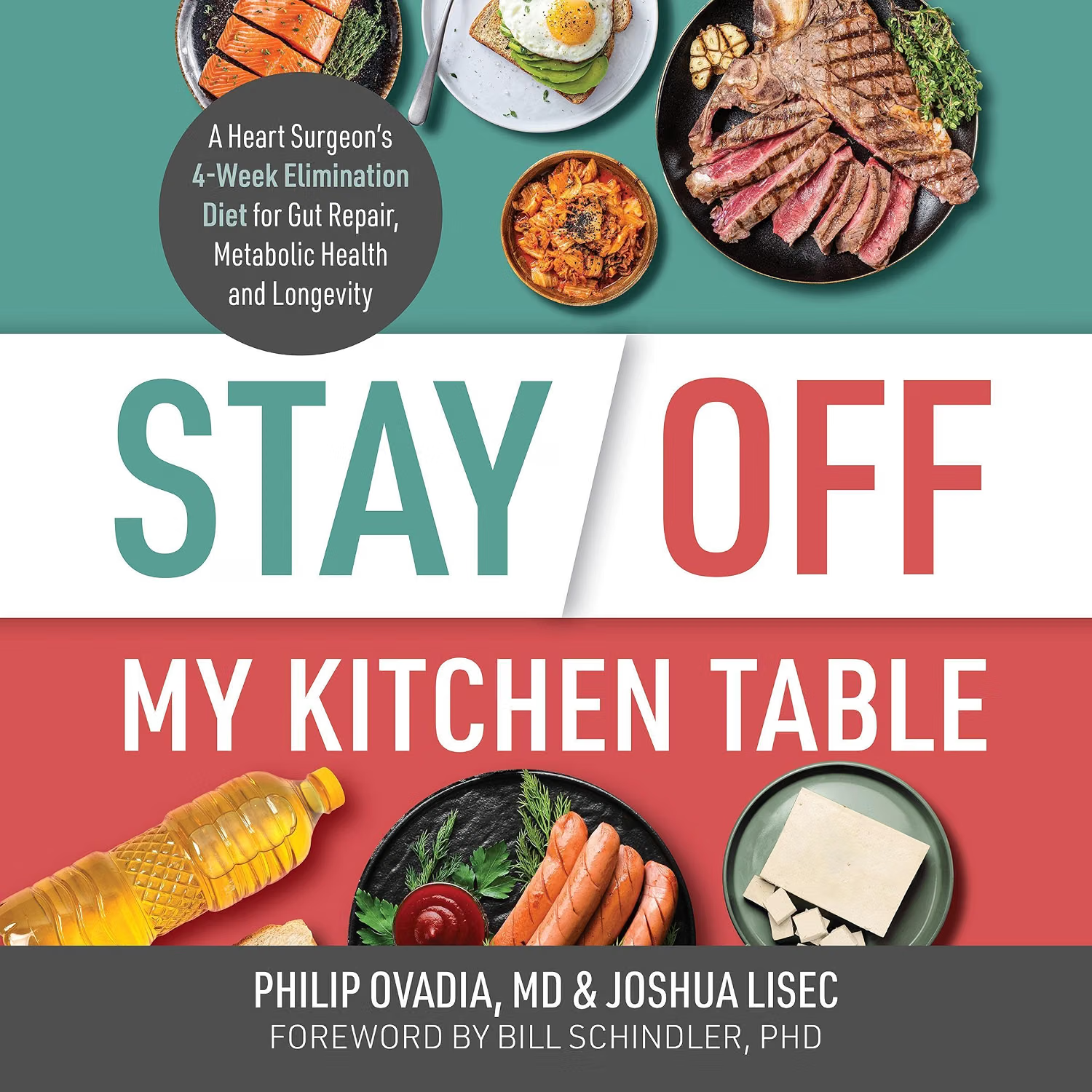
Stay Off My Kitchen Table: A Heart Surgeon's 4-Week Elimination Diet for Gut Repair, Metabolic Health, and Longevity
https://amzn.to/4yvRk8q
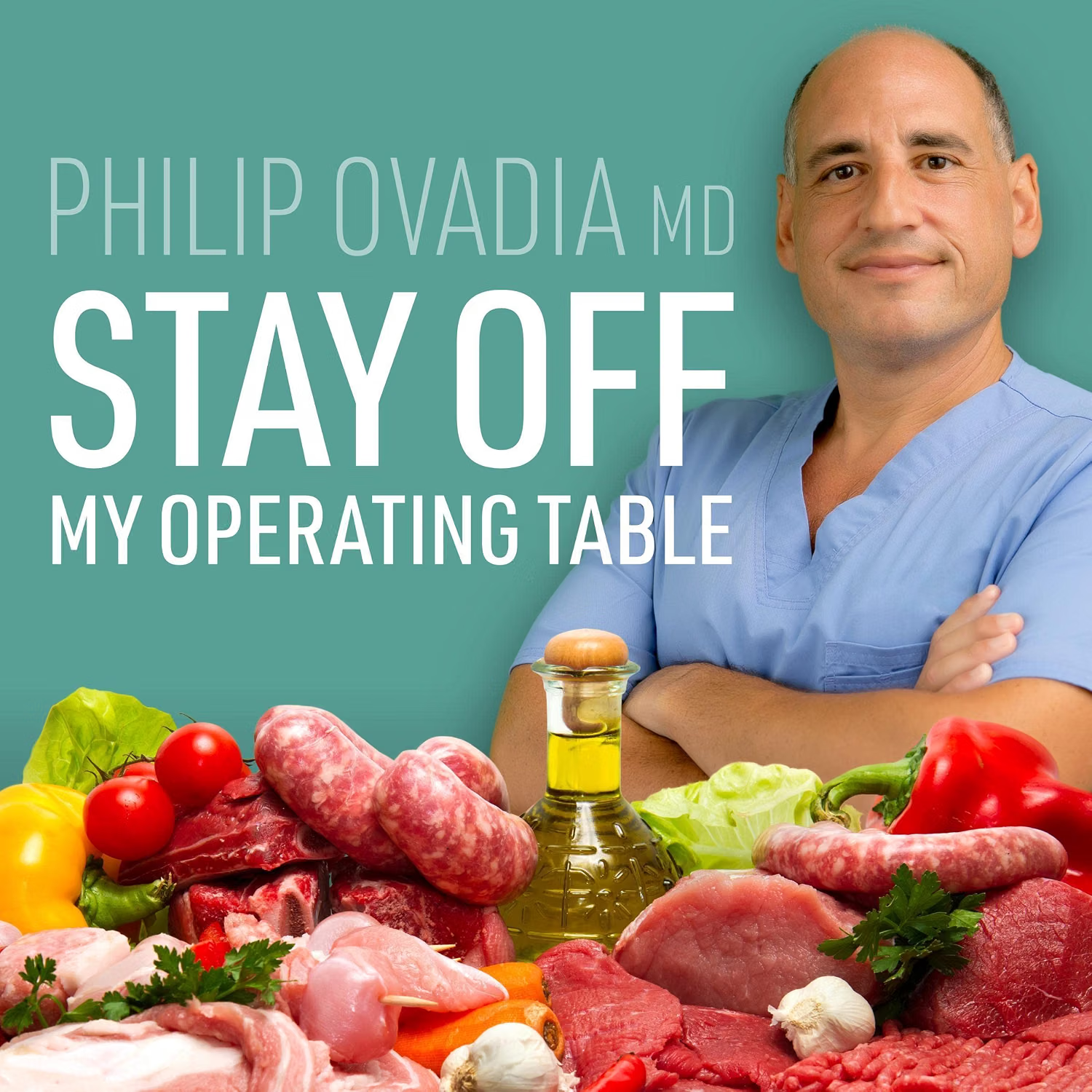
Stay Off My Operating Table: A Heart Surgeon's Metabolic Health Guide to Lose Weight, Prevent Disease, and Feel Your Best Every Day
https://amzn.to/4xEQl5v
